| |  | This moment for our waters and communities As we experience major political changes that affect environmental protections and our communities' well-being, what does this moment require of a water policy organization like ours? In the past two years, we have grown our capacity to serve our communities and to engage with decision-makers through litigation, policy, data science, organizing, and education. While there is a lot of uncertainty at this moment, I am reassured by the grounding and growth our organization has done, as outlined in our strategic plan; still, we must remain diligent in protecting our waters and communities. Below are highlights of what we've been up to — a webinar to launch our first-ever policy agenda, legislative briefings, public comments on a new Army Corps of Engineers rule, wetland outreach, artist-in-residence call for applications, reflections on our first year of community organizing, and reflections on water justice connections to African American history. If you see the importance of what we do, I hope you will consider supporting or renewing your support of Bayou City Waterkeeper, especially at this moment! For Our Waters & Communities,  |
|  | | | Policy agenda webinar launch |
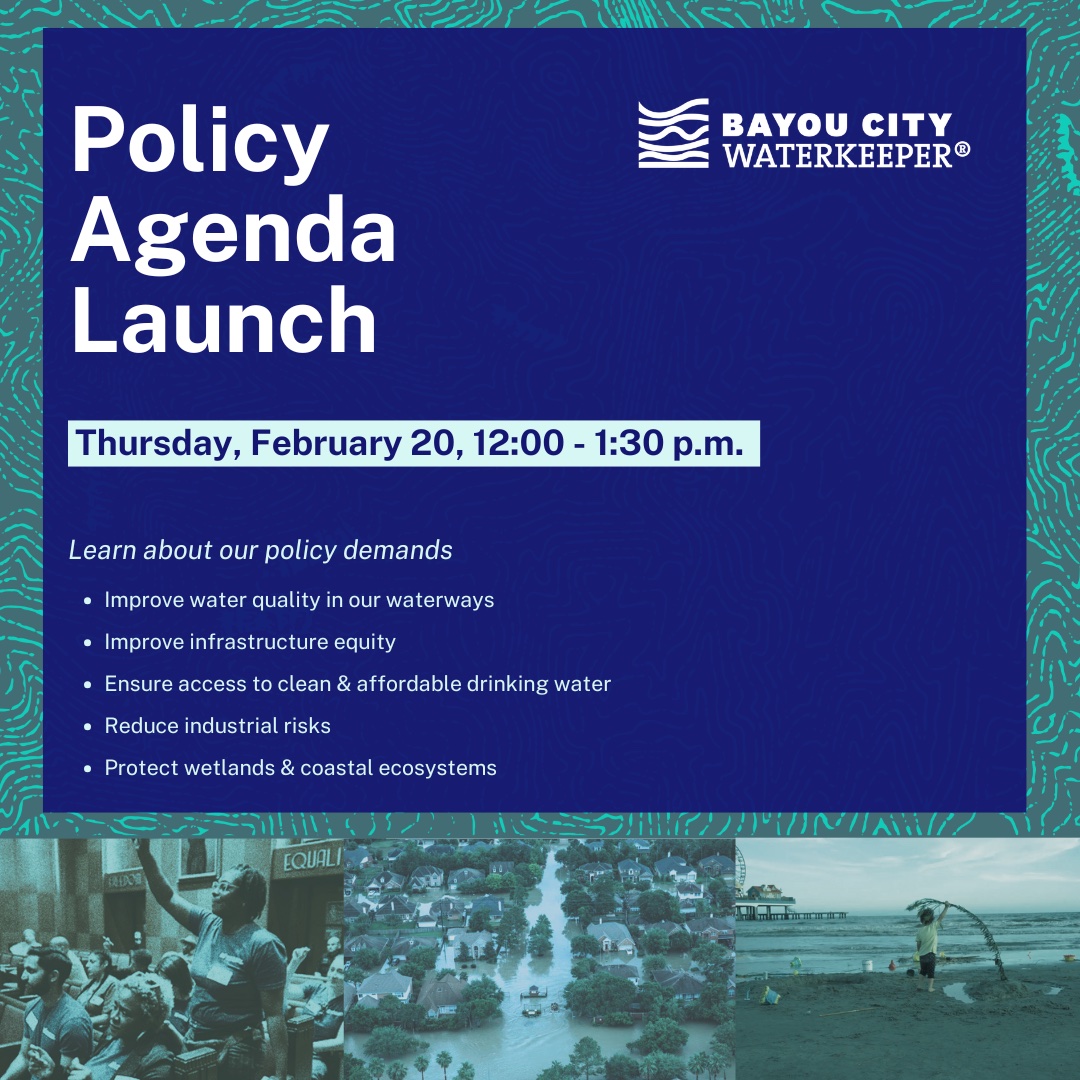
| Join us for a webinar on Thursday, February 20, 12:00 – 1:30 p.m. to learn more about our policy demands and the development of our first-ever policy agenda. Read more in this blog post. |
|  |
|
|
|
| | Learn about the process of developing our first policy agenda |
| 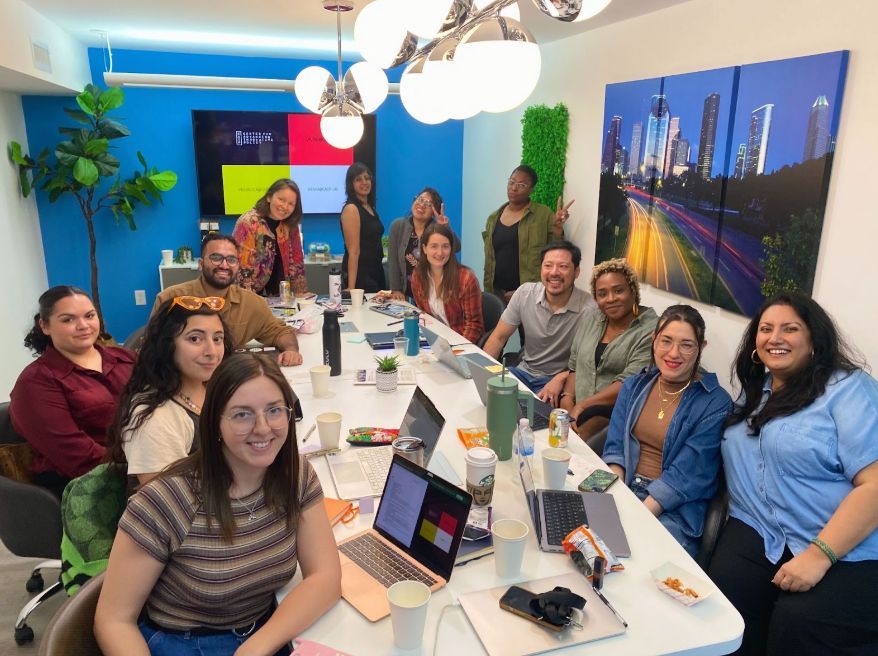 | Bayou City Waterkeeper (BCWK) is launching its first-ever policy agenda, Turning the Tide. The creation of this agenda was a key goal identified in our 2022-25 strategic plan and will allow us to build on existing relationships with key partners and government entities at the local, state, and federal levels to achieve policy shifts for our communities and the watershed we serve. Since our founding in 2001, BCWK has been leveraging the federal Clean Water Act to advocate for clean water in the lower Galveston Bay watershed. Through legal efforts, data analysis, and community engagement, we have advocated against unlawful development in wetlands and the release of untreated sewage into our waterways. Building on the foundation of our regulatory engagement, our policy agenda represents a significant step forward in our role as water policy leaders of the region. |
| |
|
Reviewing the costs and benefits: Some positive progress within the Army Corps of Engineers |
| 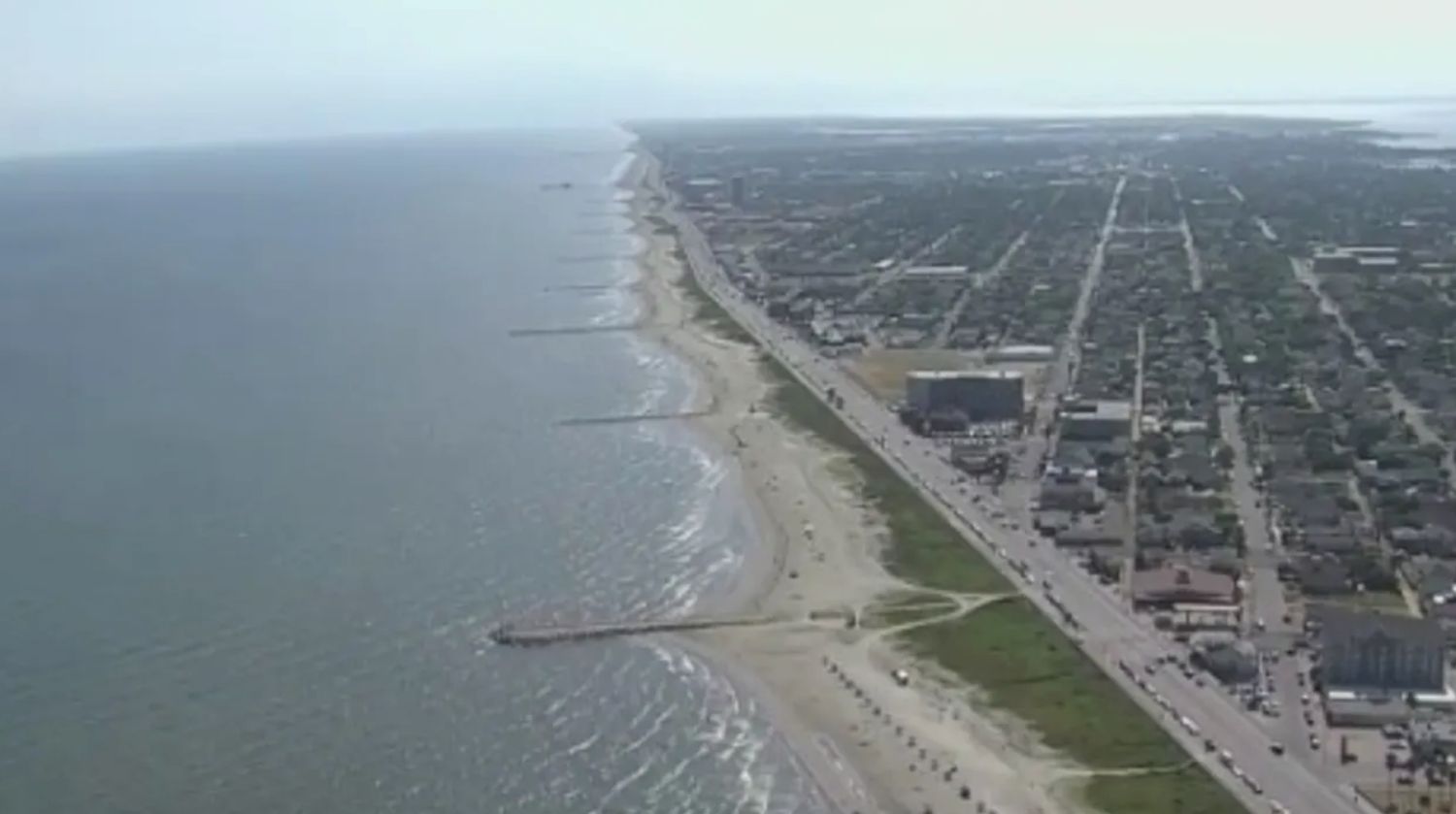 | In our work, we often find ourselves opposing actions of the U.S. Army Corps of Engineers (the “Corps”), which is part of the Department of Defense and is charged with managing the nation’s water resources. Across greater Houston, the Corps is overseeing the latest expansion of the Houston Ship Channel, known as Project 11; the Ike Dike; and projects affecting development over important ecosystems within our Five Critical Wetland areas. Last month, the Corps published a new final rule updating the framework it uses to evaluate potential water resources investments for the first time since 1983. It includes two major changes that address some of the concerns we have had with the Corps’ approach to large water infrastructure projects in our watershed. Bayou City Waterkeeper, with 10 partners signing on, submitted largely supportive public comments on this rule when it was proposed earlier last year. |
| |
|
| Achievements in Our First Year of Organizing for Water Justice |
| 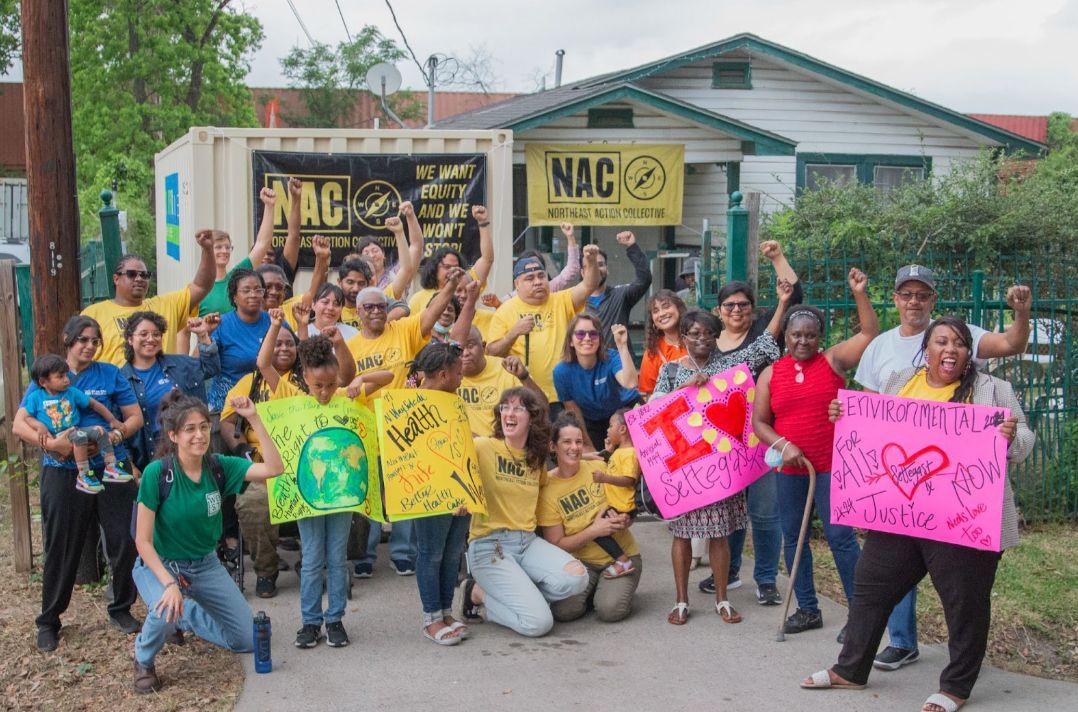 | Water justice addresses the legacy water problems that we are seeing across our watershed, the lower Galveston Bay, which is within greater Houston. It encompasses water availability, quality, and affordability issues, focusing on ensuring that everyone has equal opportunities to access and benefit from water resources. Organizing is a tool for empowering communities and moving them toward action. We see policy and community organizing as linked, aiming to build community-powered policy. At its core, organizing for water justice means creating platforms for communities to voice their needs, mobilize resources, and advocate for systemic change. This approach ensures that those most affected by water issues are at the forefront of shaping solutions and driving policies that impact their lives. |
| |
|
Recent Legislative Briefings for the 89th Texas Legislature |
| 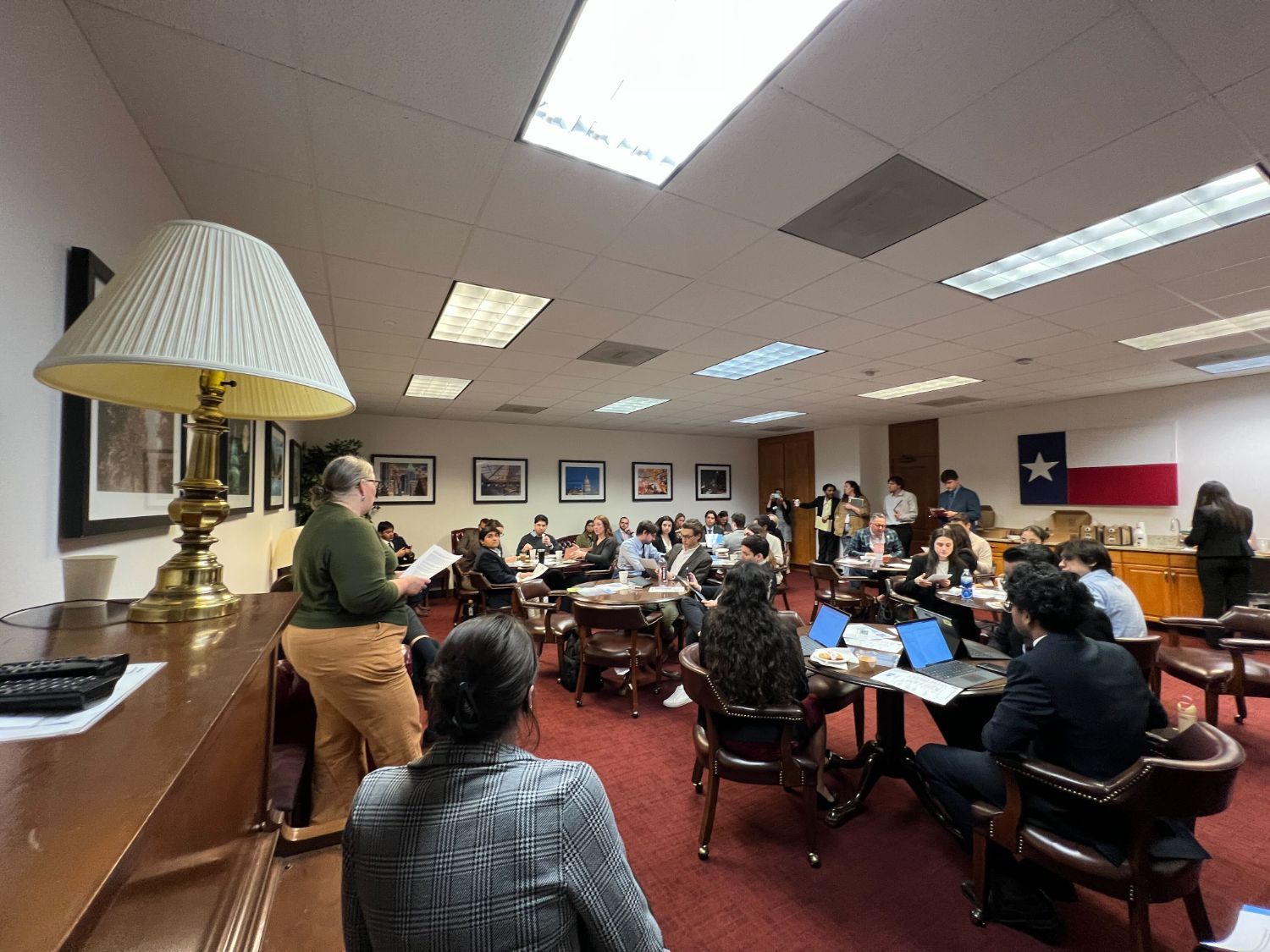 | Bayou City Waterkeeper’s policy staff recently participated in legislative briefings to share our policy priorities for the 89th Texas Legislature, in collaboration with two coalitions we are part of, Texas Living Waters and Alliance for a Clean Texas (ACT). Through these briefings, we shared recommendations with other partners on the State Flood Plan implementation, Texas Water Fund, State Revolving Funds, and water infrastructure challenges as they relate to Houston. Our participation in these briefings is a tactic to grow our state advocacy and build power for our region, which is part of our current policy agenda. |
| |
|
| Sign Up for a Wetland Walk at Sheldon Lake State Park |
| 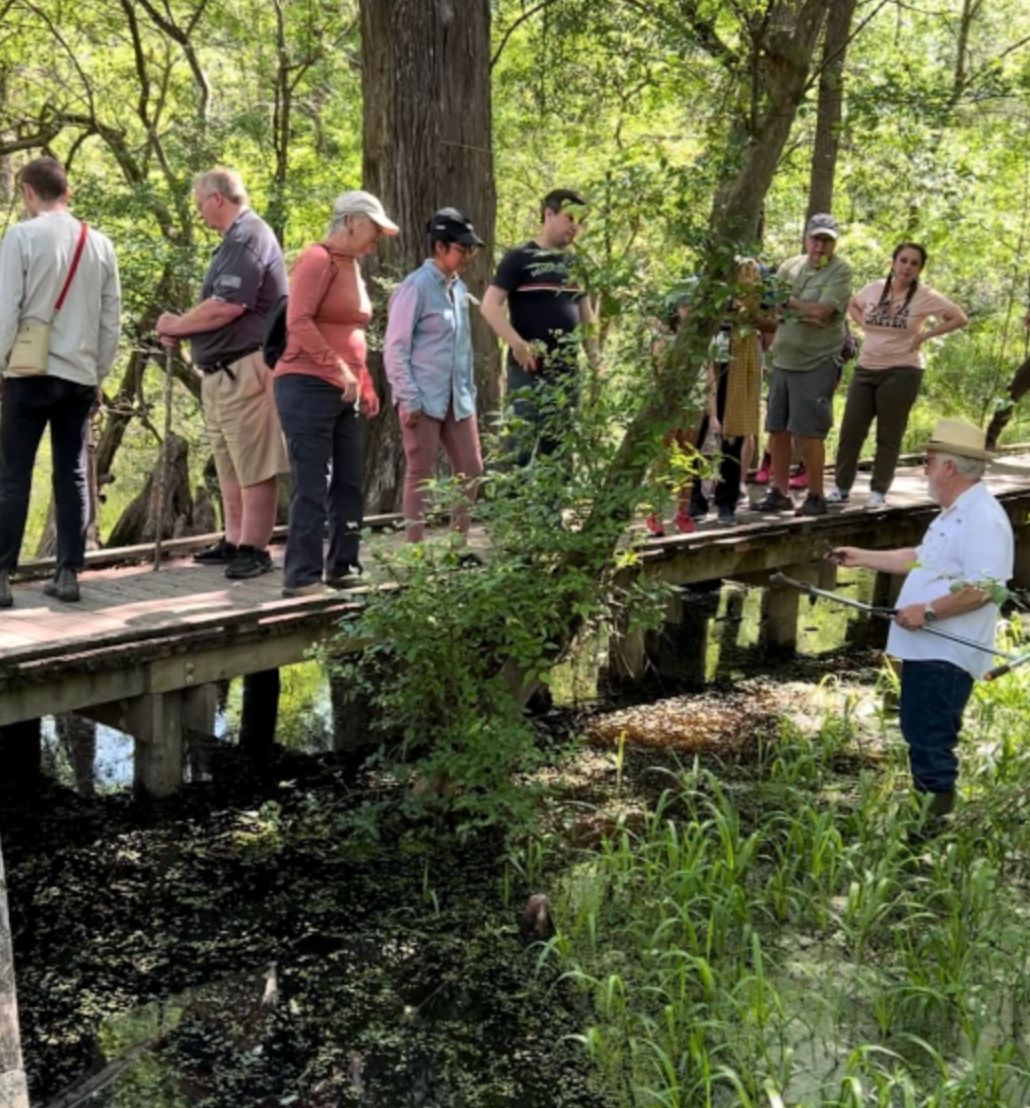 | Interested in learning more about our wetlands around the Houston region? Join us for a Wetland Walk on Saturday, March 16 at Sheldon Lake State Park, guided by Andrew Sipocz, a natural resources coordinator with the Texas Parks and Wildlife Department. This walk will not only highlight the ecological importance of wetlands but also engage participants in discussions on how we can advocate for the protection of these crucial areas. By safeguarding upstream wetlands, we can significantly reduce flood risks and enhance resilience for the communities downstream. |
| |
|
Call for Artist-in-Residence applications by February 28 |
| 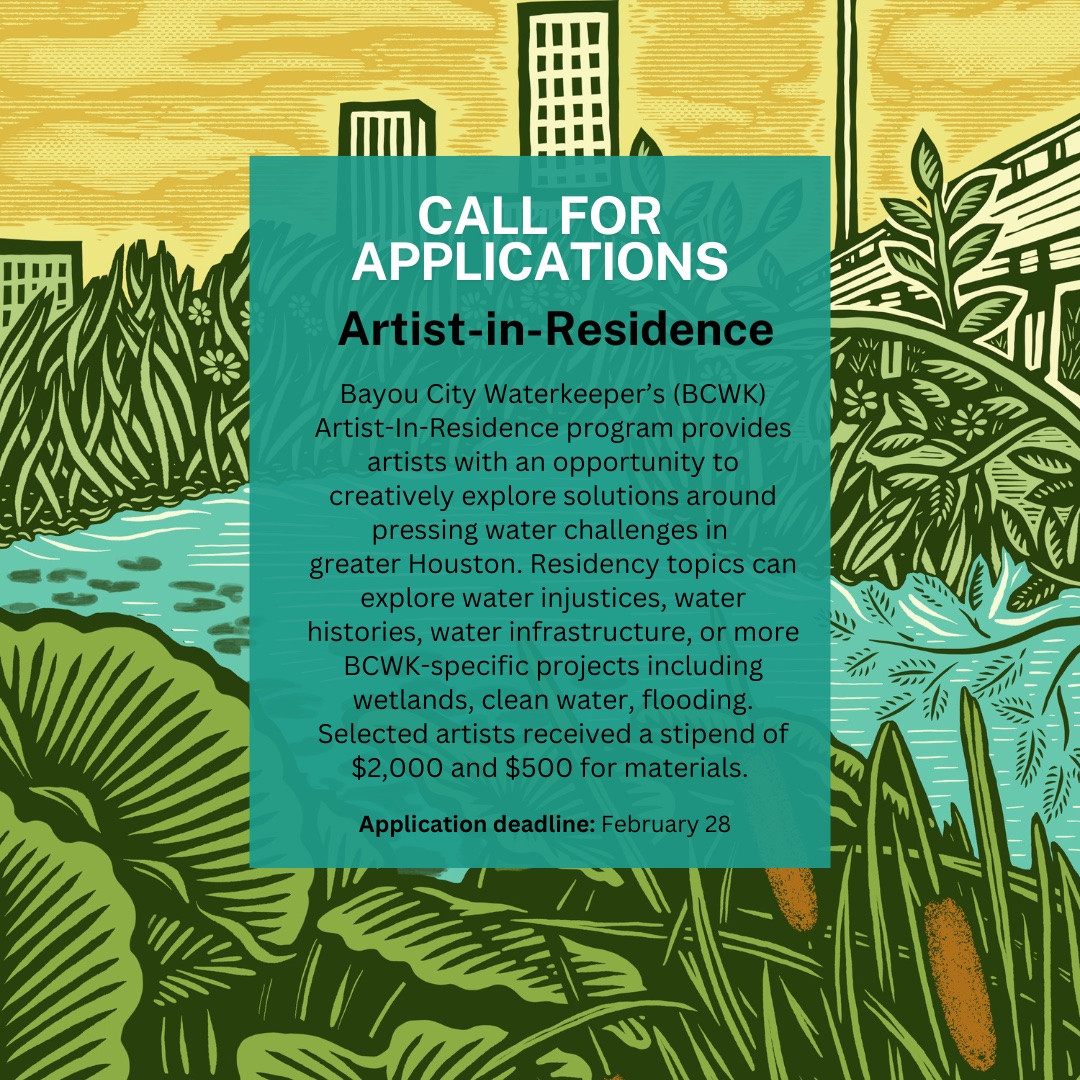 | Bayou City Waterkeeper’s Artist-In-Residence program provides artists with an opportunity to creatively explore solutions around pressing water challenges in greater Houston. Residency topics can explore water injustices, water histories, water infrastructure, or more BCWK-specific projects, including wetlands, clean water, and flooding. Selected artists will receive a stipend of $2,000 and $500 for materials. Proposals are due by February 28 for priority consideration. For questions, please contact [email protected]. |
| |
|
| | 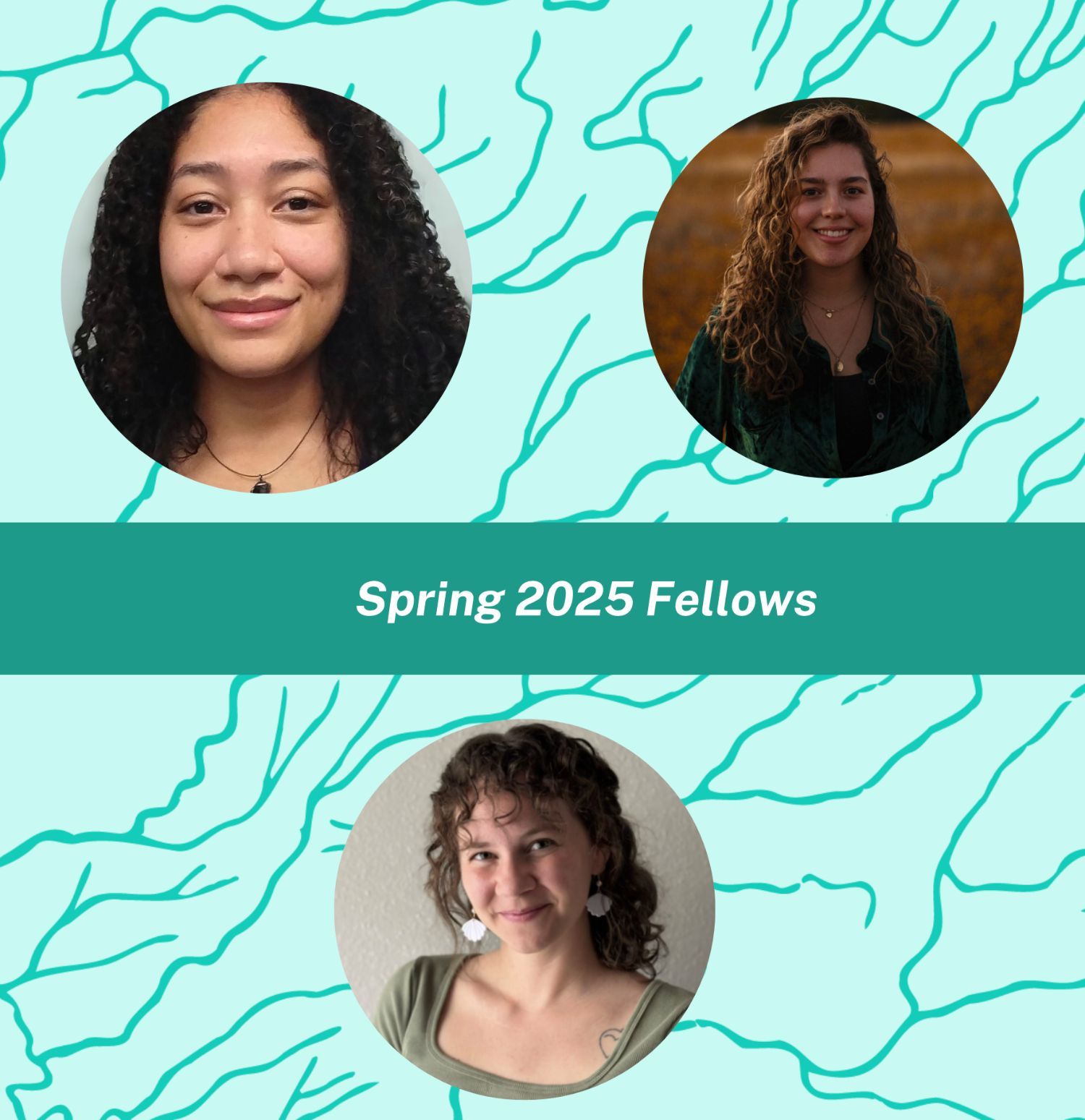 | Throughout the year, Bayou City Waterkeeper hosts law, policy, and science fellows and interns to help with our research, investigation, and analysis of issues affecting water quality, wetlands, and resilience to flooding and climate change across the greater Houston-Galveston region. This semester, we have watershed outreach fellows and a policy outreach fellow. |
| |
|
Black History Month: Water as a Point of Entry to Understand Water Justice |
| 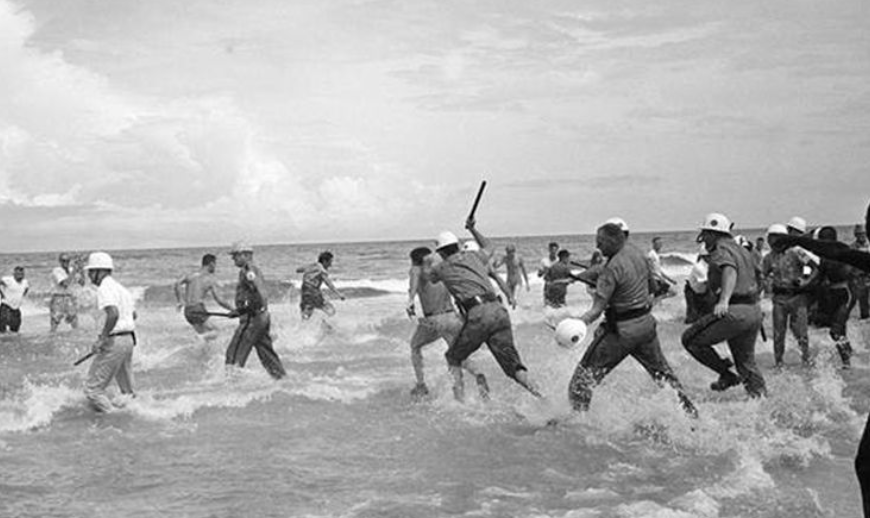 | We are resharing this blog post, originally written for Juneteenth, now for Black History Month, which focuses on water justice histories among African Americans, the African diaspora, and in Houston, a water city. Bayou City Waterkeeper has analyzed and led litigation around sewage pollution that impacts Blacker and Browner communities and we continue to monitor this. |
| |
|
|
|
| Bayou City Waterkeeper protects the waters and people of the Houston region through bold legal action, community science, and creative, grassroots policy to further justice, health, and safety for our region. Bayou City Waterkeeper envisions a Houston where water is a catalyst for change. By connecting community, place, policies, and systems we collaboratively advance equitable distributions of power and resources towards life, joy, and regeneration for our watershed. |
|  | |
|
| | |
|
|


